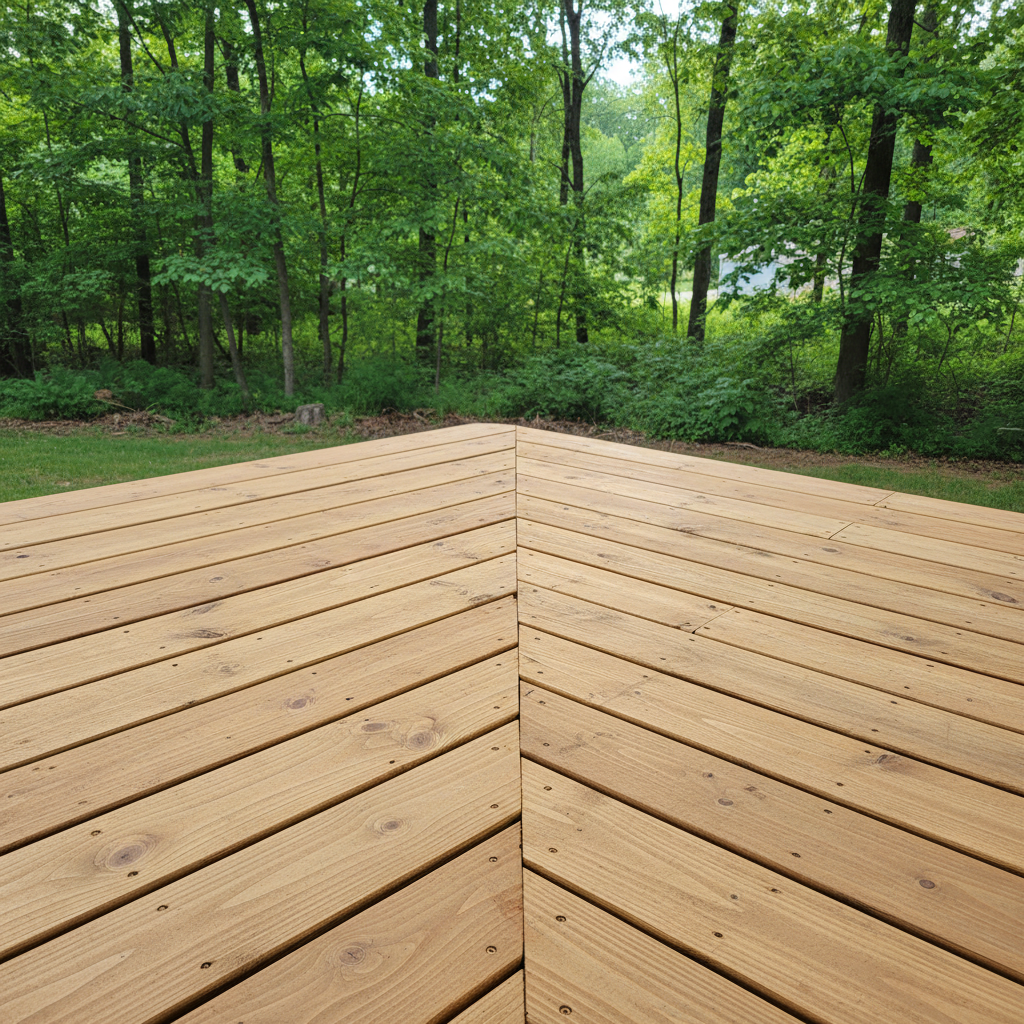
Building a wood deck in Lenoir City, TN takes a bit of planning. If you live around Fort Loudoun Lake or up in the rolling hills toward Martel, you already know our East Tennessee weather swings hard from humid summers to freezing winter rains. That means your deck is going to work for its living.
Before you swing a single hammer, you need to look at what you can realistically tackle yourself and what needs a professional crew. Omega Decking sees many half-finished projects on weekends because homeowners bit off more than they could chew.
Before You Build: Planning and Permits
You cannot just start digging holes in your backyard. Lenoir City and Loudon County have specific setback rules and inspection requirements. You will need to check property lines and utility locations before anything touches the dirt.
- Call 811 to get your underground lines marked—do not skip this.
- Pull the required building permits from the local office.
- Map out your sun exposure and drainage patterns.
Designing the layout and handling the permitting paperwork are things a handy homeowner can do with some patience. But if your property slopes steeply or has heavy clay soil that holds water, you will want an experienced pair of eyes to help engineer the foundation.
During Construction: Digging, Framing, and Decking
Once the layout is approved, the real sweat starts. Digging post holes in East Tennessee red clay is difficult. It is heavy, sticky when wet, and turns to concrete in dry August heat. Renting a powered auger saves your back, but hitting hidden limestone ledge rock will still stop you cold.
Here is how the tasks generally break down:
- Setting posts and pouring concrete footings: Hard physical labor, totally doable DIY if you take your time to keep things square and plumb.
- Building the ledger board and framing: This is structural. If this fails, the whole deck fails. Bolt it right or hire someone who does this daily.
- Laying down the decking boards and building railings: Straightforward carpentry work that most homeowners can handle with a circular saw and a drill.
At Omega Decking, we often get calls from homeowners who got the frame up but realized squaring a multi-level deck is harder than it looks online. There is no shame in calling a professional for the skeleton while you save money by finishing the surface boards yourself.
After the Build: Protecting Your Investment
Wood needs maintenance. Pine and pressure-treated lumber will dry out, cup, and split under our relentless summer sun if you leave them bare. Do not wait six months to seal your new deck.
Give the wood a few weeks to dry out if it came soaked from the lumber yard, then test it with a few drops of water. If the water soaks right in, you are ready to stain and seal. This is a messy weekend job you can easily do with a roller and a brush, though a pump sprayer speeds things up.
Keep up with a yearly cleaning to wash off the pollen that coats everything every spring. A little maintenance goes a long way toward keeping your outdoor space solid for 15 to 20 years or more.