Pressure-Treated vs. Composite Decking: What's Best for Lenoir City?
So, you're thinking about adding a deck to your place here in Lenoir City, or maybe it's time to replace an old one. Good call! A deck really adds a lot to a home, especially with our beautiful Tennessee weather. But then you hit the first big question: what material should you use? Most folks end up looking at two main options: good old pressure-treated wood or one of the newer composite materials. Let's talk about what I've seen over the years with both.
The Upfront Cost: Wood Usually Wins Here
Let's just get this out of the way first. If you're looking purely at the price tag when you buy the materials, pressure-treated lumber is almost always going to be cheaper than composite decking. Sometimes it's a good bit cheaper, too. That's a big reason why it's been the go-to for so long. You can build a pretty sizable deck with pressure-treated wood for a fraction of what a similar composite deck might cost you initially.
Now, don't get me wrong, cheaper isn't always better, especially when we're talking about something you want to last. But if budget is your absolute top priority right now, pressure-treated wood is probably where you'll start.
Durability and Lifespan: Where Composite Shines
This is where composite decking really starts to earn its keep. Pressure-treated wood, as the name suggests, is treated to resist rot, insects, and fungal decay. It does a decent job, especially against termites, which we certainly have our share of around here in East Tennessee. But even with the best treatment, wood is still wood. It's going to expand and contract with our crazy temperature swings – hot, humid summers and then those cold snaps in winter. You'll see it crack, splinter, and warp over time, no matter how well you maintain it.
Composite decking, on the other hand, is made from a mix of recycled plastic and wood fibers. It's engineered to be incredibly tough. It won't rot, it won't splinter, and insects don't want anything to do with it. Most good quality composites come with warranties that are 25 years or even longer, which tells you something about how long they expect it to last. I've seen composite decks in neighborhoods like Tellico Village hold up beautifully for years with minimal fuss, even with all that sun exposure.
Maintenance: A Clear Winner
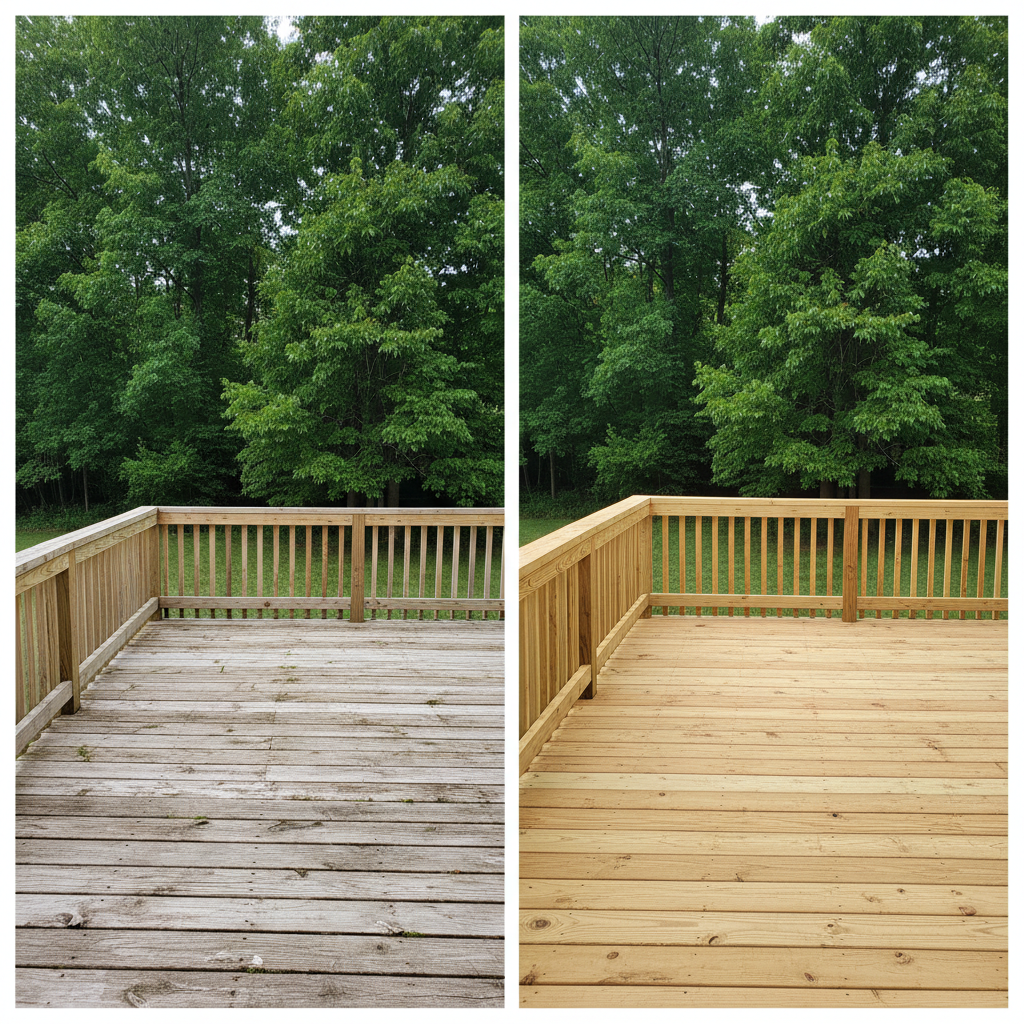
This is probably the biggest difference for most homeowners. With a pressure-treated wood deck, you're signing up for regular maintenance. Every year or two, you're going to need to clean it thoroughly, and then you'll need to re-stain or seal it. If you skip this, your deck will gray out, splinter, and start to deteriorate a lot faster. It's a commitment of time and money, year after year.
Composite decking? It's practically maintenance-free. You just need to clean it periodically with soap and water to get rid of dirt, pollen, or any mildew that might pop up. That's it. No sanding, no staining, no sealing. For folks who want to spend their weekends enjoying their deck, not working on it, this is a huge selling point.
Appearance: It's All About Your Style
For a long time, composite decking looked pretty fake. You could tell it wasn't wood a mile away. But man, have things changed! Modern composite materials come in a huge range of colors, textures, and grain patterns that mimic real wood incredibly well. You can get composites that look like exotic hardwoods, or classic cedar, or even weathered barn wood. They hold their color really well too, so that rich brown or gray you pick will stay that way for years.
Pressure-treated wood, well, it looks like wood. It's got that natural appeal. But it will inevitably fade and change color over time, even with staining. Some people love that natural weathering look, and if that's you, great! But if you want a consistent, specific look that lasts, composite has come a long way.
Environmental Impact: A Mixed Bag
This is an interesting one. Pressure-treated wood uses chemicals to protect it, and while those chemicals are generally safe once the wood is installed and dried, some folks prefer to avoid them. On the other hand, it's a renewable resource.
Composite decking often uses recycled materials, which is a big plus. It keeps plastic and wood waste out of landfills. However, it's not easily recyclable itself once it's reached the end of its very long life, and the manufacturing process does use energy. It's not a clear-cut win for either one here, honestly.
My Recommendation for Lenoir City Homeowners
Look, I've built plenty of both. If your budget is super tight and you don't mind putting in the work every couple of years to keep your deck looking good, then a pressure-treated wood deck is a solid, affordable choice. It'll give you years of enjoyment if you take care of it.
However, if you're looking for a long-term investment, want minimal maintenance, and appreciate the consistent look and superior durability, I'd lean towards composite decking every time. When you factor in the cost of stains, sealers, and your own time over 20-30 years, that initial higher price for composite often evens out, or even becomes cheaper in the long run. Plus, with the humidity we get here, especially in those low-lying areas near Fort Loudoun Lake, the rot resistance of composite is a real advantage.
At Omega Decking, we work with both. We can help you figure out what makes the most sense for your home and your budget. Give us a shout, and we can walk you through the options right there in your backyard.