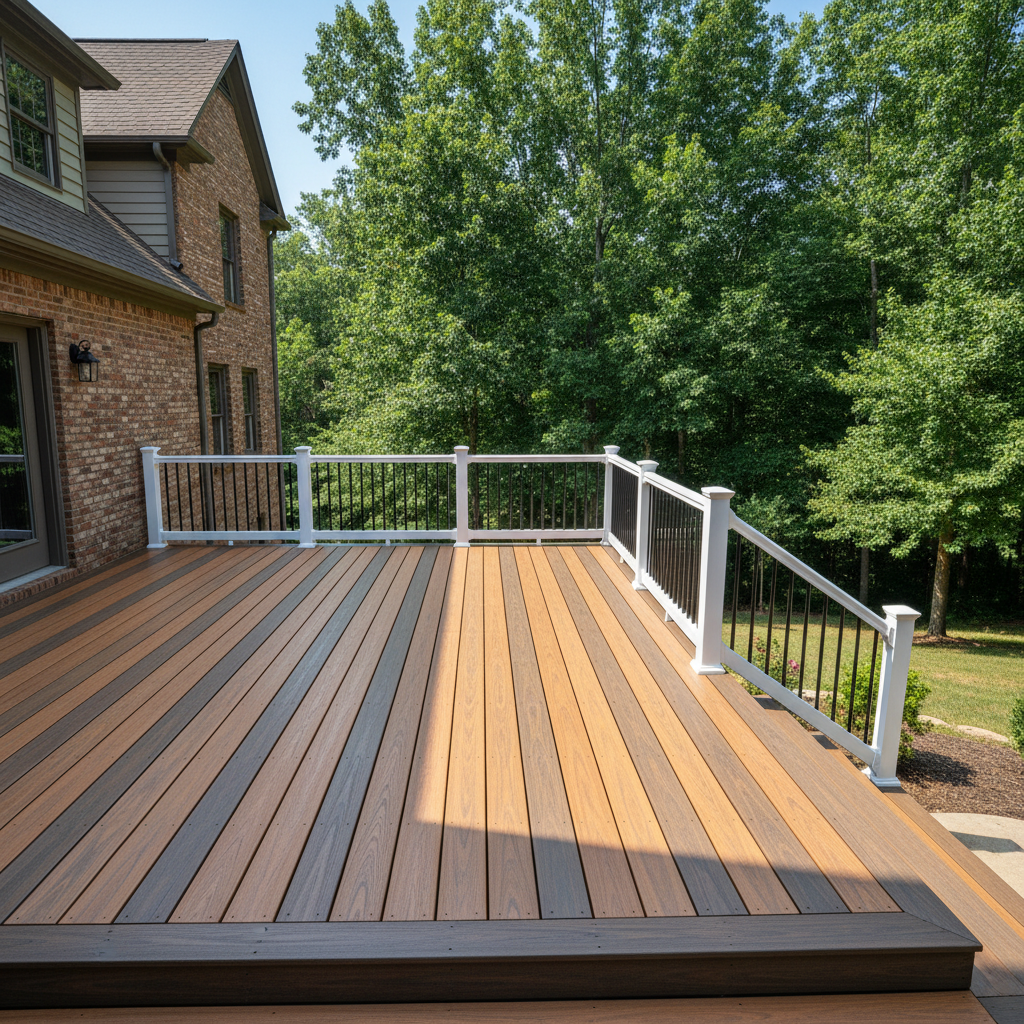
Think Trex decks are totally maintenance-free? Not quite. They're definitely less work than wood, but if you want your investment to last and keep looking good, you've still got to put in a little effort. I've built plenty of these decks around Lenoir City, from the lakeside homes near Fort Loudoun to the older neighborhoods up on the ridges, and I can tell you what works and what absolutely doesn't.
Extending Your Trex Deck's Lifespan
You bought Trex because it's tough, right? It resists rot, insects, and splinters. But that doesn't mean it's invincible. The biggest thing you can do to make it last longer is pretty simple: keep it clean. Dirt, pollen, and leaves can trap moisture and encourage mold or mildew, especially with our humid Tennessee summers. That's not just an eyesore; over time, it can affect the surface. Also, avoid harsh chemicals. Bleach and abrasive cleaners can damage the composite material, even if it's tough. Stick to manufacturer-recommended cleaners or a simple mix of soap and water. Easy peasy.
Another big one is protecting it from heavy impacts. Dropping a grill tool or dragging heavy furniture can scratch or gouge the surface. Use furniture pads, and be careful when you're moving things around. And if you've got a fire pit, make sure it's on a protective mat. Those embers can melt composite in a heartbeat.
Regular Maintenance: What You Need to Do
Here's what I tell my clients for regular upkeep:
- Sweep it off: Do this weekly, or at least every couple of weeks. Get rid of leaves, dirt, and any debris that's accumulated. Especially after a windy day around Tellico Village, you'll find all sorts of stuff blown onto your deck.
- Wash it down: A good washing with a garden hose and a soft-bristle brush, maybe once a month, is usually enough. For tougher spots, a mild soap (like dish soap) and water solution works wonders. Rinse thoroughly.
- Deal with spills immediately: Grease from the grill, spilled drinks, or food can stain if left too long. The sooner you clean it up, the better.
- Trim back foliage: Keep trees and bushes from overhanging or growing too close to your deck. This reduces shade, which helps the deck dry out faster after rain, and cuts down on organic debris that can cause mildew.
- Check under the deck: Make sure there's good airflow. If you've got a skirt around your deck, ensure any vents aren't blocked. Good ventilation helps prevent moisture buildup underneath, which is crucial in our climate.
For tougher stains like mold or mildew, especially after a particularly wet spring, you might need a composite deck cleaner. Just make sure it's approved for Trex. You can use a pressure washer, but you've got to be careful. Keep the pressure low (under 3100 psi) and use a fan tip. Hold it at least 8 inches from the surface. Too high pressure or a concentrated stream can damage the material, leaving marks you can't get rid of. Trust me on this one.
Warning Signs of Problems
Even with Trex, you need to keep an eye out. Here are a few things that tell you something might be wrong:
- Persistent Stains: If you've cleaned a spot repeatedly and it just won't come out, it might be a deeper issue or a stain that's really set in.
- Fading or Discoloration: While Trex is designed to resist fading, extreme sun exposure over many years can cause some subtle changes. Uneven fading could point to an issue with UV protection or a chemical reaction.
- Surface Damage: Deep scratches, gouges, or melting spots are obvious problems. These can mess up the deck's appearance and, in some cases, its integrity.
- Loose Boards or Railings: This is a safety issue. If a board feels wobbly or a railing post isn't as secure as it should be, don't ignore it. It could be a fastener issue or, less likely with Trex, a structural problem underneath.
- Excessive Mold or Mildew: A little bit of green can happen, but if you're constantly battling widespread mold even after cleaning, it might indicate poor drainage or persistent moisture issues.
When to Call a Professional
Look, a lot of deck maintenance you can handle yourself. But there are times when it's just smarter to call in someone who knows what they're doing. If you're seeing widespread structural issues like sagging boards or posts, or if your railings are seriously loose, that's a job for a pro. Don't try to DIY structural repairs if you're not sure. Safety first, always.
If you've got persistent, unidentifiable stains that won't budge, or if you've accidentally damaged a board and need it replaced, it's a good idea to get an expert opinion. Sometimes, a professional cleaning service that specializes in composite decks can tackle issues you can't. Here at Omega Decking, we've seen it all, and we can usually tell you pretty quick if it's something simple or if it needs a more involved fix. Don't hesitate to reach out if you're worried about something on your deck. Better safe than sorry, especially when it comes to your outdoor living space.