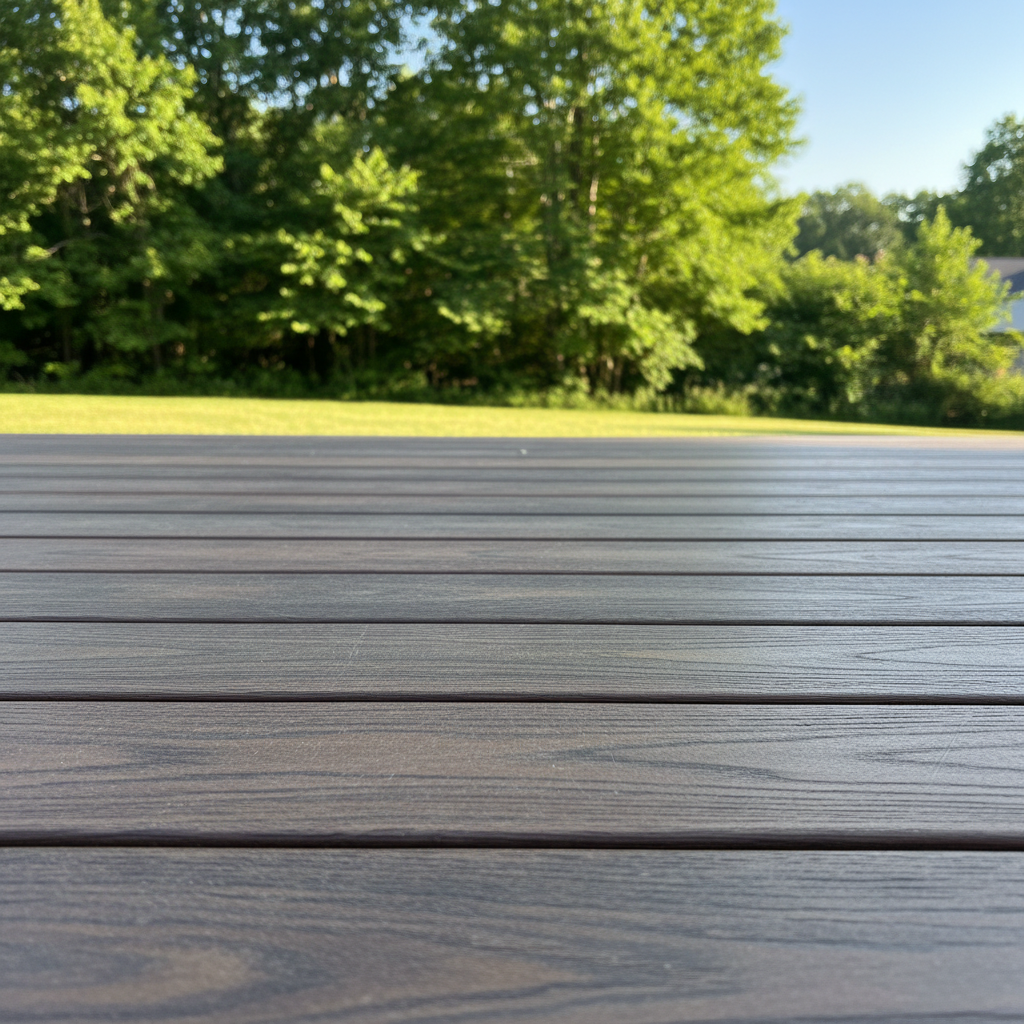
Building a new outdoor living space is an important upgrade for any home around Tellico Village or down near the river. If you are tired of scraping, sealing, and replacing warped pressure-treated boards every couple of years, composite decking starts looking very appealing. But before you get started, you need a plan for how the project actually goes from start to finish.
Before You Build: Planning and Permitting
The hardest part of any deck build happens long before the first hole gets dug. You have to figure out local codes, setbacks, and HOA rules if you live in a planned neighborhood. Here in Loudon County, digging footings means dealing with our stubborn red clay soil, which packs tight and holds moisture after a heavy spring rain.
You can handle the initial layout and measuring yourself. Sketch out your yard, mark where the sun hits during peak afternoon hours, and decide how you want to step down into the yard. However, do not skip the utility locate service, and make sure your ledger board attachment and span calculations meet local building safety codes. If engineering load charts give you a headache, this is where bringing in a contractor like Omega Decking saves you from costly layout mistakes.
During Construction: DIY vs. Pro Territory
Once construction starts, you will see very fast why composite material behaves differently than traditional lumber. Composite boards are heavier, they expand and contract more with temperature swings, and they require specialized hidden fastener systems to look clean.
- Demo and site cleanup: A possible weekend project to save some labor cash.
- Post hole digging through local clay: Difficult work that often demands heavy machinery.
- Substructure framing: Requires precise leveling and flashing to prevent moisture rot.
- Deck board and railing installation: Demands patience and exact spacing for proper thermal expansion.
If you have a circular saw, a couple of free weekends, and experience framing, you can tackle a basic ground-level platform. But for multi-level builds, complex picture-frame borders, or integrated stair lighting, letting professionals handle the build keeps your manufacturer warranty intact.
After the Build: Low Maintenance Reality Check
People love composite decks because they think they are maintenance-free. They are not maintenance-free; they are low maintenance. Pollen from our East Tennessee spring will coat your deck in a thick yellow layer, and falling leaves in autumn can leave tannin stains if they sit wet too long.
Your post-project routine is simple. Grab a soft-bristle brush, some mild soap, and a standard garden hose a few times a year to wash away grime. Never use a high-pressure power washer cranked all the way up, because it will shred the synthetic cap stock and ruin the wood-grain texture. Keep the gaps between your boards clear of dirt so air can circulate underneath, and your investment will easily look sharp for 15 to 20 years or more.